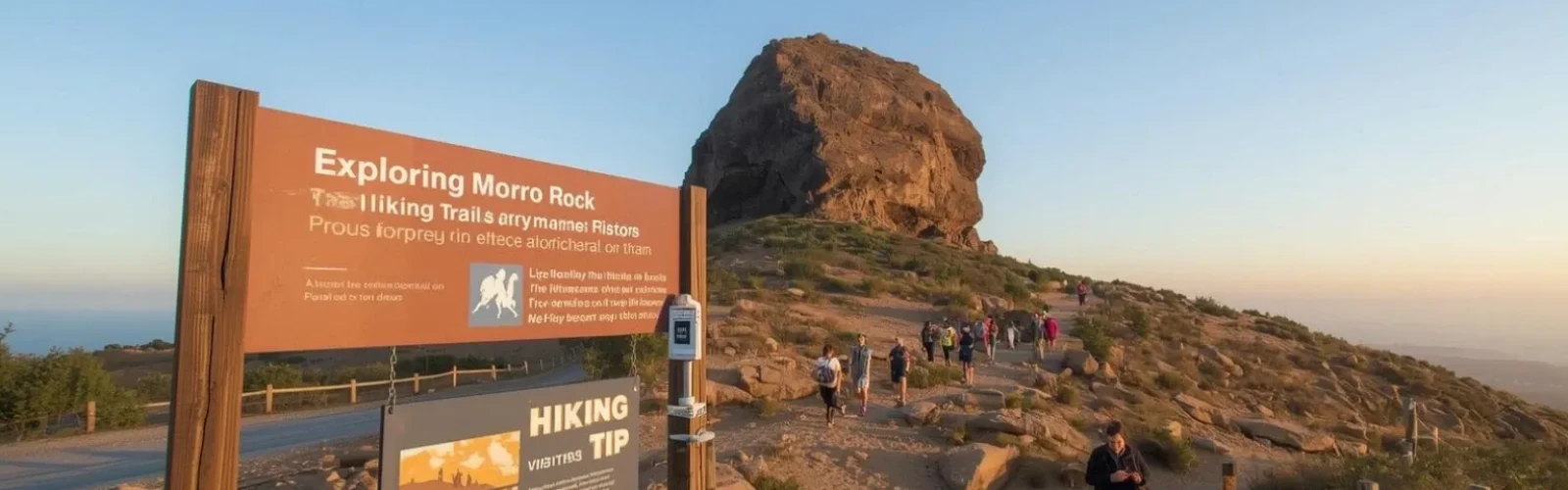
Exploring Morro Rock: Top Hiking Spots, History & Visitor Guide

Introduction: Why Morro Rock Is a Must-See Coastal Icon
Morro Rock is one of California’s most recognizable natural landmarks, rising dramatically from the waters of Morro Bay along the Central Coast. Known as the “Gibraltar of the Pacific,” this massive volcanic plug instantly captures attention with its sheer size, unique shape, and powerful presence against the ocean backdrop. For travelers exploring Morro Bay, Morro Rock is not just a scenic feature—it’s the heart of the town’s identity and history.
Formed over 23 million years ago, Morro Rock stands as one of the Nine Sisters, a chain of ancient volcanic peaks stretching inland. Its location at the edge of the harbor makes it visible from nearly every part of Morro Bay, offering stunning views at sunrise, sunset, and throughout the day. Whether you’re visiting for photography, wildlife watching, or simply to enjoy coastal beauty, Morro Rock delivers an unforgettable experience.
Beyond its visual appeal, Morro Rock holds deep cultural, historical, and environmental significance. It has served as a navigational landmark for sailors, a sacred site for Indigenous peoples, and a protected habitat for seabirds. Today, visitors can enjoy the surrounding area through walking paths, nearby beaches, and educational viewpoints.
This guide to exploring Morro Rock covers everything you need to know—from its fascinating history and surrounding hiking options to practical visitor tips—so you can make the most of your time at this iconic California destination.
The Geological History of Morro Rock
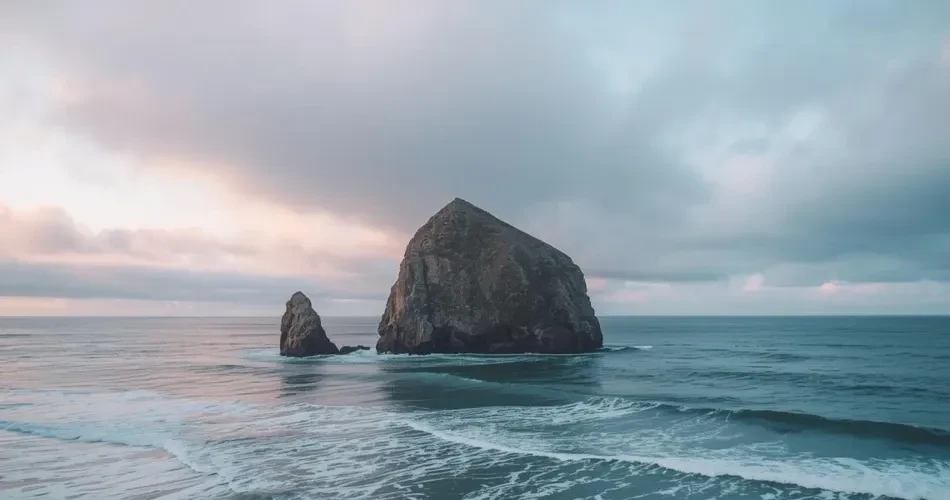
Morro Rock’s story begins millions of years ago, long before the charming seaside town of Morro Bay existed. The rock is a volcanic plug, formed when molten magma hardened inside a volcano’s vent. Over time, softer surrounding rock eroded away, leaving behind the massive structure we see today. This process explains Morro Rock’s steep sides and dome-like shape, which distinguish it from typical coastal formations.
As part of the Nine Sisters volcanic chain, Morro Rock shares geological roots with peaks like Cerro San Luis and Bishop Peak. These formations stretch across San Luis Obispo County, offering a fascinating glimpse into California’s volcanic past. Morro Rock is the last and most dramatic of these peaks, positioned directly on the shoreline where land meets sea.
Historically, Morro Rock was quarried in the late 1800s to supply material for construction projects, including the Morro Bay breakwater. This significantly reduced its original size, sparking public concern and eventually leading to its protection. In 1968, Morro Rock was designated a California State Historic Landmark, ensuring its preservation for future generations.
Today, Morro Rock is protected from climbing and alteration due to its geological and ecological importance. Its rugged surface provides nesting areas for seabirds, while its imposing presence continues to educate visitors about Earth’s natural history. Understanding the geological background adds depth to any visit, transforming Morro Rock from a scenic stop into a powerful symbol of time and transformation.

Cultural and Historical Significance of Morro Rock
Long before modern explorers arrived, Morro Rock held deep spiritual meaning for the Indigenous Chumash and Salinan tribes. The rock was considered sacred and was often associated with legends, navigation, and ceremonial practices. Its commanding presence made it a natural reference point for coastal travel and storytelling, embedding it deeply in local heritage.
During the era of European exploration, Morro Rock became an essential navigational landmark for Spanish sailors. Its visibility from the ocean helped ships identify safe harbor in Morro Bay. Over time, the rock became closely tied to maritime history, fishing traditions, and coastal commerce that shaped the region’s development.
In the late 19th and early 20th centuries, Morro Rock faced significant human impact due to quarrying activities. This period marked a turning point, as public awareness grew about the need to preserve natural landmarks. Advocacy efforts eventually led to legal protections, transforming Morro Rock into a symbol of conservation success.
Today, Morro Rock represents a blend of natural wonder and cultural identity. It stands as a reminder of Indigenous heritage, early exploration, and the evolving relationship between people and nature. Visitors often feel a sense of reverence when standing near the base of the rock, recognizing its role as more than just a geological feature—it’s a living piece of California’s coastal story.
Hiking and Walking Experiences Around Morro Rock
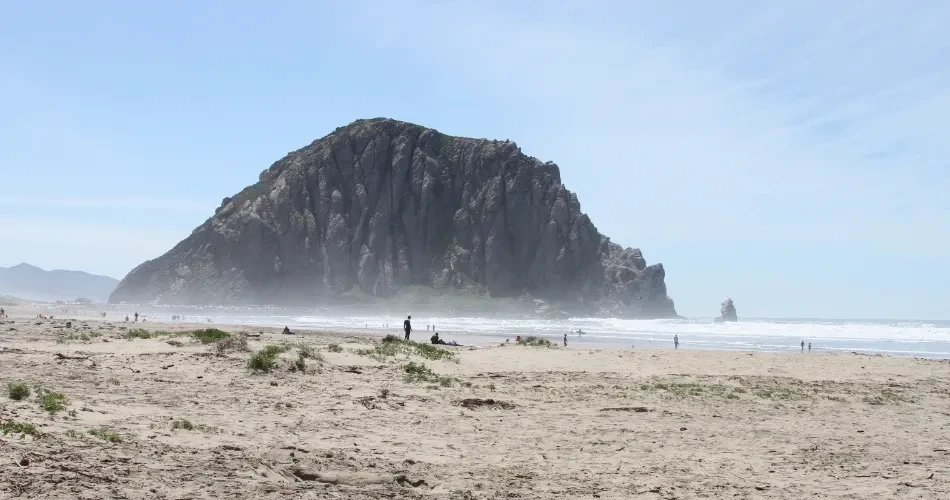
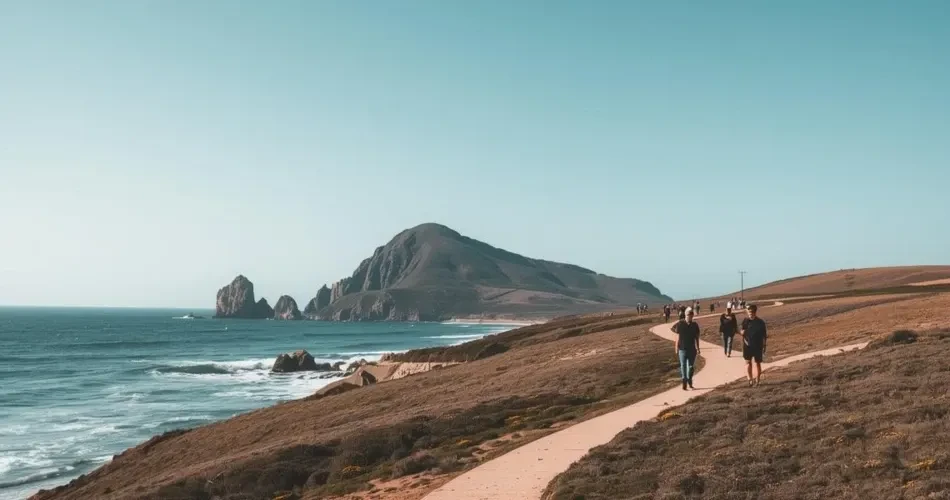
While climbing Morro Rock itself is prohibited, the surrounding area offers excellent walking and hiking opportunities suitable for all fitness levels. The most popular route is the paved path that loops around the base of the rock, providing close-up views and easy access for visitors. This walk allows you to appreciate the scale and texture of the rock while enjoying ocean breezes and coastal scenery.
Nearby Morro Rock Beach extends along the shoreline, offering a flat and scenic walking experience. Visitors can stroll along the sand, observe tide pools, and enjoy uninterrupted views of the Pacific Ocean. This area is especially popular during early morning and late afternoon, when lighting conditions enhance the rock’s dramatic appearance.
For those seeking more elevation and panoramic views, Black Hill Trail offers a moderate hike nearby. From the top, hikers are rewarded with sweeping views of Morro Bay, the harbor, and Morro Rock rising from the water. This trail complements a visit to Morro Rock by providing a broader perspective of the surrounding landscape.
Hiking and walking near Morro Rock are about immersion rather than challenge. The calm environment, well-maintained paths, and natural beauty make it ideal for families, casual walkers, and photographers alike. Exploring these paths adds depth to your visit, allowing you to connect with the environment at your own pace.
Wildlife and Natural Beauty Around Morro Rock
Morro Rock is not only a geological landmark but also a vital ecological habitat. The rock serves as a protected nesting site for peregrine falcons, which can often be seen soaring above the bay. These birds rely on the rock’s steep cliffs for safety and breeding, making it an important conservation area.
The surrounding waters of Morro Bay are rich in marine life. Sea otters are frequently spotted floating near the harbor, while seals and sea lions rest on nearby docks and sandbars. Birdwatchers will enjoy observing pelicans, cormorants, and shorebirds that thrive in the estuary environment.
The natural beauty around Morro Rock changes with the seasons. Spring brings migrating birds, while winter offers dramatic waves and moody skies. Tide pools near the base of the rock reveal starfish, anemones, and other small marine creatures, offering an educational experience for visitors of all ages.
This delicate ecosystem is carefully protected, and visitors are encouraged to observe wildlife respectfully. Staying on designated paths and avoiding disturbance ensures that Morro Rock remains a safe haven for both animals and future visitors. The blend of wildlife and scenery makes exploring Morro Rock a truly immersive coastal experience.

Best Time to Visit Morro Rock
Choosing the right time to visit Morro Rock can significantly enhance your experience. Early mornings are ideal for peaceful walks and photography, as the rock is often bathed in soft light and fewer crowds are present. Sunrise creates stunning reflections on the water, making it a favorite time for photographers.
Late afternoons and sunsets are equally popular, offering warm tones and dramatic silhouettes of Morro Rock against the sky. These hours attract more visitors, but the atmosphere remains relaxed and enjoyable. Midday visits provide clear views, though lighting can be harsher and crowds slightly heavier during peak tourist seasons.
Seasonally, spring and fall are considered the best times to explore Morro Rock. The weather is mild, wildlife activity is high, and visitor numbers are manageable. Summer brings more tourists and cooler coastal fog, while winter offers dramatic scenery and quieter surroundings.
Weather conditions can change quickly along the coast, so dressing in layers is recommended year-round. Planning your visit around tides and lighting conditions can help you fully appreciate the beauty and tranquility of Morro Rock.

Essential Visitor Tips for Exploring Morro Rock
To make the most of your visit to Morro Rock, preparation is key. Wear comfortable walking shoes, as exploring the surrounding paths and beaches involves uneven surfaces. Layered clothing is essential due to shifting coastal temperatures and wind conditions.
Parking near Morro Rock is generally accessible, but it can fill up during peak hours. Arriving early helps ensure easy access and a quieter experience. Restrooms and picnic areas are available nearby, making it convenient for families and longer visits.
Respecting regulations is crucial. Climbing Morro Rock is prohibited to protect wildlife and preserve the structure. Visitors should also avoid disturbing animals and follow posted guidelines to maintain the area’s natural balance.
Bringing binoculars or a camera enhances the experience, especially for wildlife viewing and landscape photography. Whether you’re spending an hour or an entire afternoon, thoughtful planning ensures a rewarding and memorable visit. Exploring Morro Rock responsibly allows everyone to enjoy its beauty for years to come.

Conclusion: Experiencing the Timeless Beauty of Morro Rock
Exploring Morro Rock is more than a sightseeing activity—it’s an opportunity to connect with nature, history, and coastal culture. From its ancient volcanic origins to its role as a sacred site and modern conservation symbol, Morro Rock stands as a testament to time and resilience.
Whether you’re walking along the shoreline, observing wildlife, or simply admiring its presence from afar, Morro Rock leaves a lasting impression. With thoughtful planning and respect for its environment, your visit will be both meaningful and unforgettable. This iconic landmark continues to inspire travelers, photographers, and nature lovers, making it a true highlight of California’s Central Coast.

About Author
Sarah produces creative and informative content based on her travel experience. She keeps her blogs up-to-date with the latest information.